
THE SOURCE STILL MATTERS.
Why WILDSOUND exists
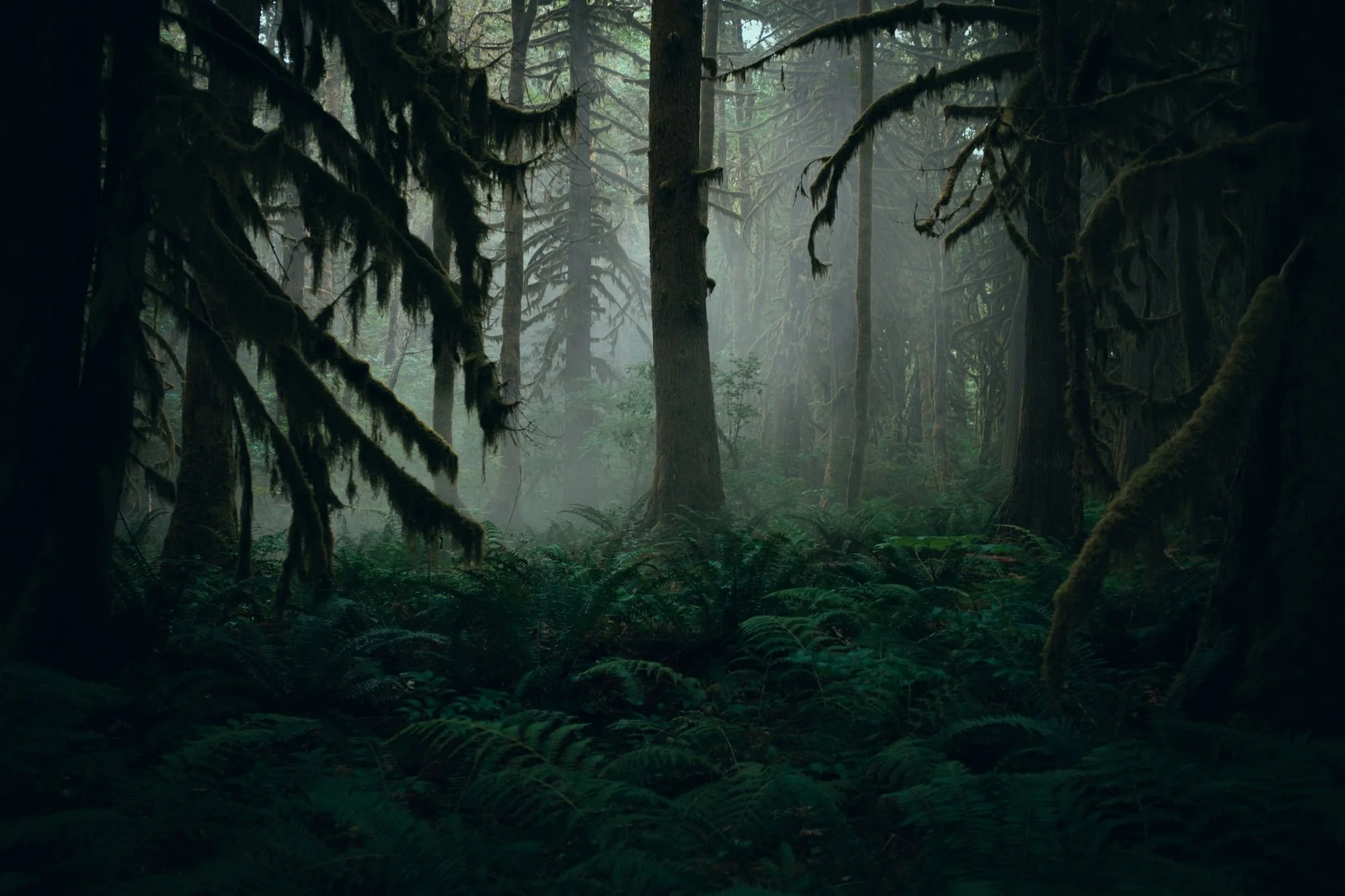
For most of human history, we lived at the source. We knew where our water gathered and where it ran. We knew the pulse of a river, the damp breath of a rainforest canopy, the dawn-to-dusk shift of birds in the trees, the difference between a creek in spring and the same creek in late August. Our oldest cities and our oldest stories grew up wherever water met wild — the great rivers of the world, the rainforests they cut through, the floodplains they shaped.
These places weren't backdrops. They were identity.
Something has slipped. The modern, urban, accelerated, indoor world has quietly severed a connection that once felt as ordinary as breathing. Most people in cities today couldn't name the watershed they live in, or the forest that catches its weather. The sounds that once tied us to specific places have been replaced by anonymous loops. No origin. No history. No name.
And yet, every day, millions of people press play on rain. On a creek. On the morning calls of birds whose names they don't know.
The pull hasn't gone anywhere. Only the context has.
WILDSOUND was built on a single conviction: that restoring context is the beginning of restoring care. That naming a place is the first act of protecting it.
The way we listen to the natural world shapes our willingness to defend it.
What's actually at stake
The reasons people reach for natural sound are wider than any single mood. Calm before sleep — sure. Focus during a long stretch of work. Energy in the morning. Presence at the end of a day that demanded too much of you. The reset between meetings. The simple feeling of being somewhere else for a few minutes when you can't actually leave. Different soundscapes do different things to a body. And the body, given options, knows exactly what it's reaching for.
Most apps in the category — sleep aids, focus tools, ambient libraries — offer something real. The therapeutic effects of natural sound are well-documented and worth taking seriously. These apps are meeting a genuine need.
The way they meet it carries a cost they don't name.
When natural sound gets served up as anonymous category — "rain," "forest," "river" — the technology meant to help us reset ends up completing the urban disconnect rather than easing it. The listener gets the benefit without the relationship. The sound without the place. The reset without any sense of what, exactly, is being lost every time a habitat shrinks.
This is the same logic that drives the degradation of those ecosystems in the first place. We extract what's useful. We don't register the cost. We don't ask what we owe in return.
There's a thread running through acoustic ecology and environmental psychology: conservation behavior follows identification. When a place has a name, when its ecology and its fragility take shape in your head, your investment in it changes. The sound stops being a product. It starts being a relationship.
And relationships create responsibility.
WILDSOUND is built on that premise. Not as a theory. As a design principle.
How IT Works
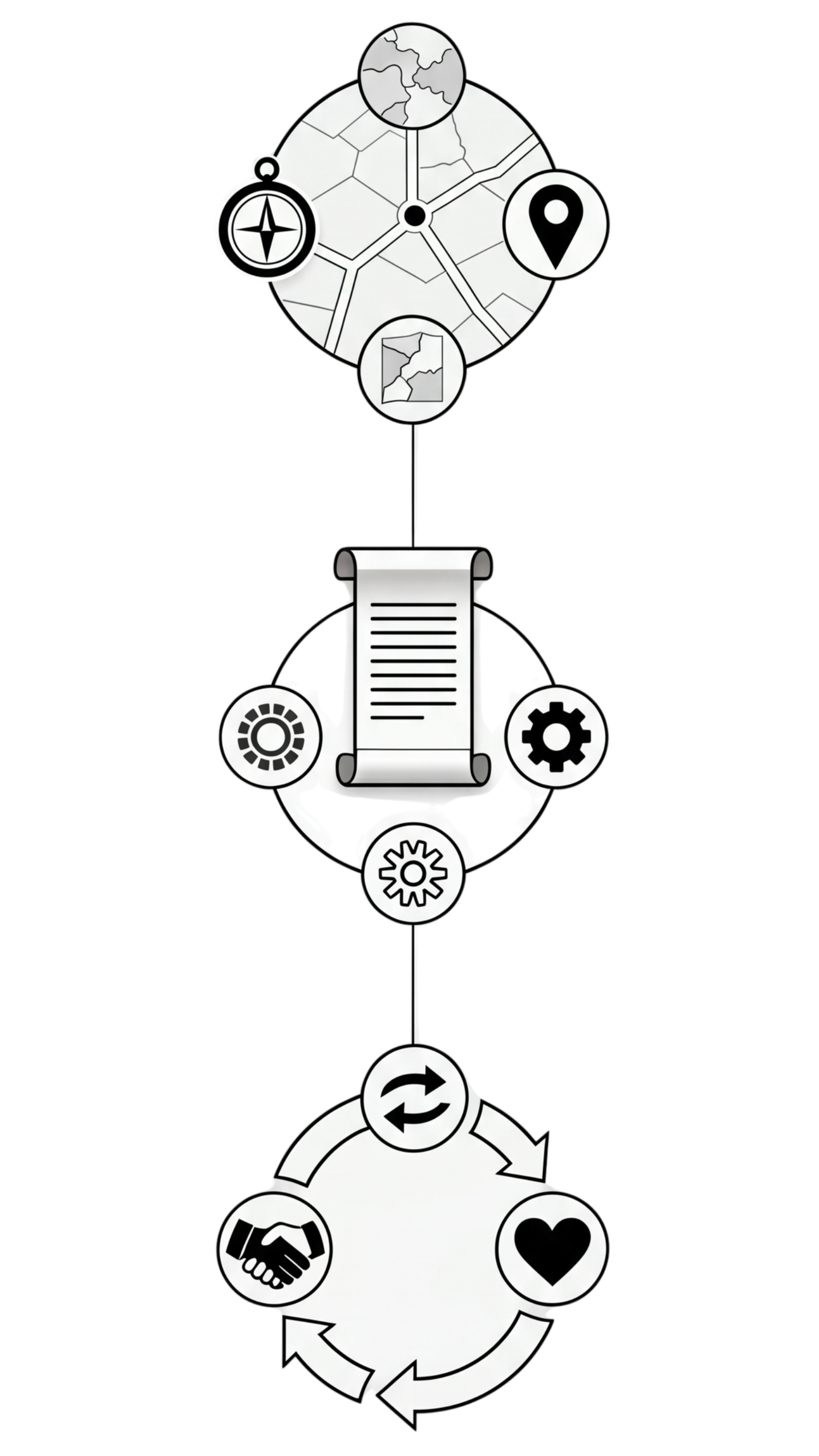
We name the place
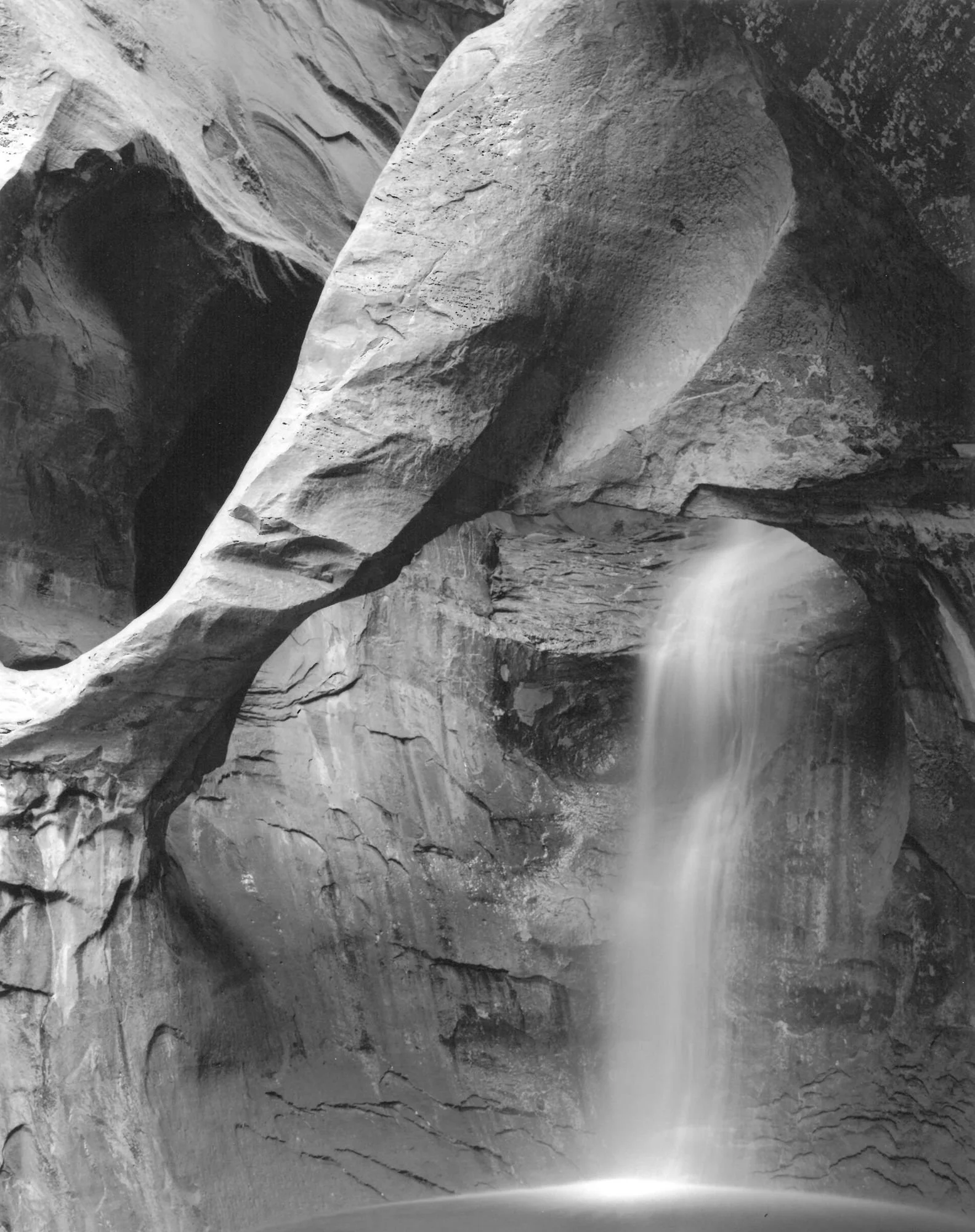
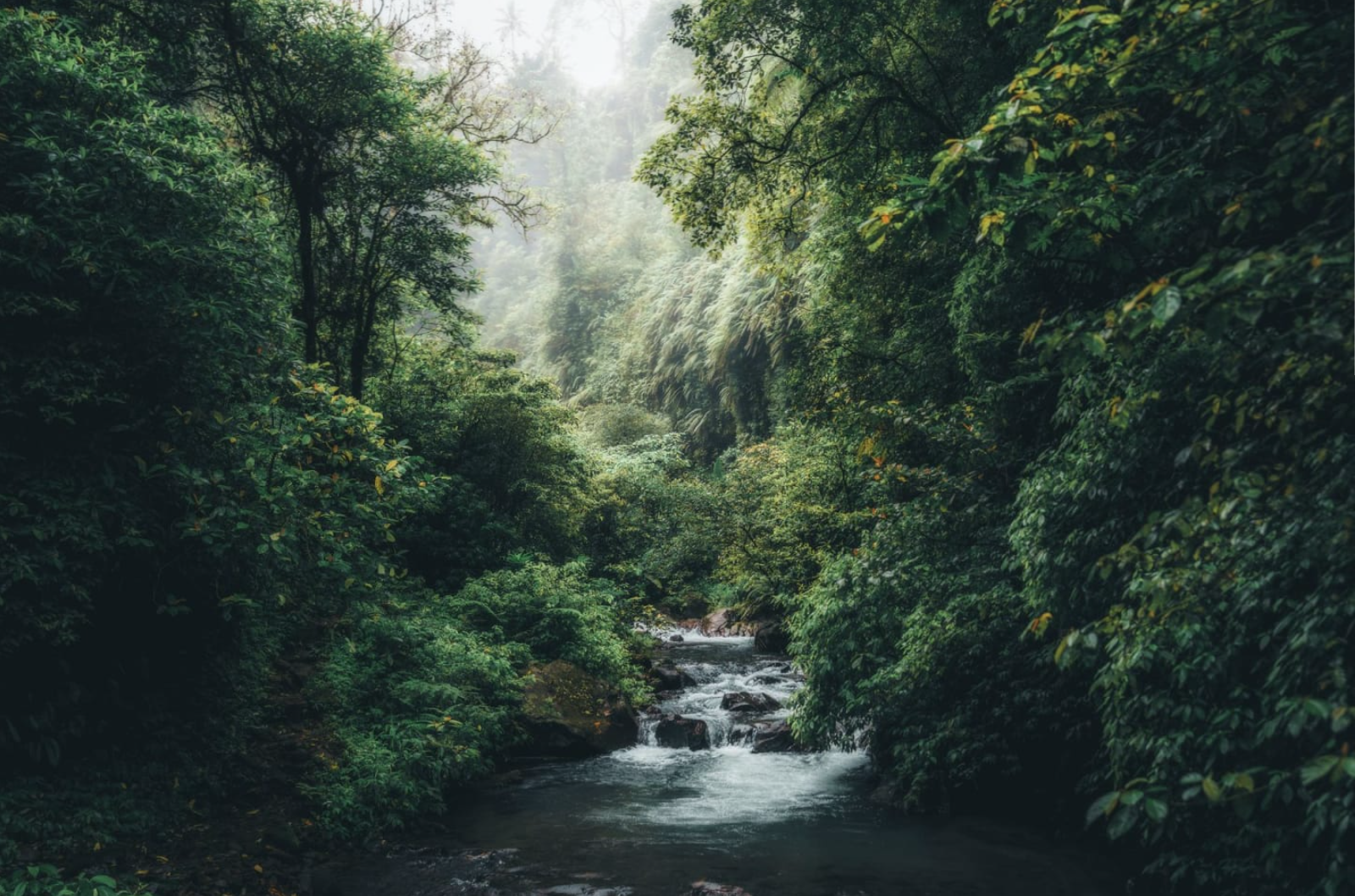
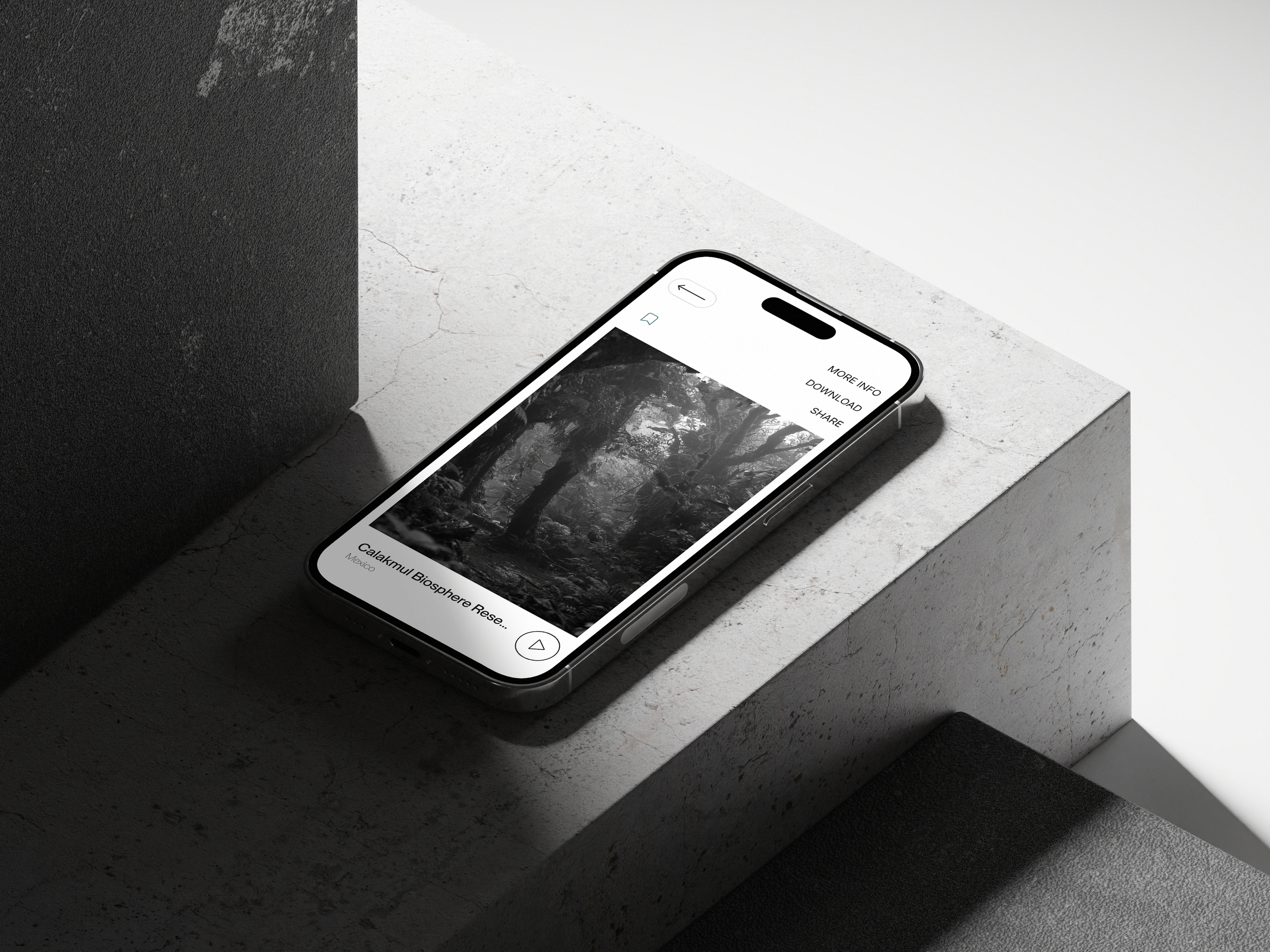
Every soundscape in WILDSOUND is tied to a real location — real coordinates, real ecological context, real conservation history. Not a mood. Not a category. A named place on a named waterway, in a named forest, in a named protected area, with a specific relationship to the living world.
We tell the story
Each location carries the kind of detail that turns listening into understanding. The cultural and ecological depth of the Ganges. The volcanic origins of Helmcken Falls. The fact that the Bogachiel Rain Forest sits inside the largest temperate rainforest biome on Earth — a system that took thousands of years to assemble and cannot be reassembled in any human timeline. The Daintree in Australia, where a cassowary still walks under ferns that predate the dinosaurs.
We hold the range
A thunderous waterfall in the Ethiopian highlands and a slow river through Shenandoah don't do the same work for you. A dawn chorus over a Solomon Islands rainforest and a steady hush in a Hokkaido cedar grove aren't the same kind of company. Some of our soundscapes are built to put you to sleep. Others are built to wake you up. Each one is its own intensity, its own mood, its own reason to be there.
We close the loop
Subscriptions support conservation organizations doing live work in these ecosystems — WWF, Conservation International, The Nature Conservancy. You choose your partner. Your listening leaves something behind.The royalties go to the source.
FOUNDERS NOTE
on the kind of listening we need now
We've been pirating the sounds of the wild for a long time. Billions of plays. No royalties. No credit to the source. No acknowledgment that the river in the recording is a specific river under a specific set of pressures — that the morning bird in the chorus is a specific bird in a specific forest, and the forest is shrinking — and that the person pressing play, if they knew, might actually want to help.
WILDSOUND starts from a different assumption: that people are capable of more than passive consumption. That what people reach for in natural sound runs deeper than stress relief. That what a soundscape can do for a body — calm it, sharpen it, energize it, ground it, return it to itself — is older than the wellness category that's been built around it.
The science of why moving water and living forest move us is interesting. The reason we know it in our bones, before the science, is older than the science. We evolved alongside water. We built our earliest settlements where the water gathered and the forest grew thick. We made water and the animals around it sacred in every culture that ever had a sacred thing.
That pull is not a wellness trend. It is something much more durable.
What WILDSOUND tries to do is honor it. Name the place. Tell the story. Hold the range. Give a moment of real listening somewhere to go.
Whether the sound becomes a relationship is up to whoever is listening.