
The Active Ear
There is a profound difference between letting sound wash over you as a barrier to the world, and stepping into the sound as an anchor.
There is a profound difference between letting sound wash over you as a barrier to the world, and stepping into the sound as an anchor.
Most of us use nature sounds as a digital partition. We turn on "rain" or "ocean" to drown out the hum of traffic, the clatter of the office, or the circular loop of our own thoughts. It is a defensive act. We use the sound to build a wall.
But when you use geolocated, authentic soundscapes, you have the opportunity to practice something much older: active, place-based meditation. Instead of shutting the world out, you are letting a very specific part of the living earth in.
Here is a three-step framework to transition your daily listening from a passive utility to an active, restorative practice.
1. Identify the Landscape Architecture
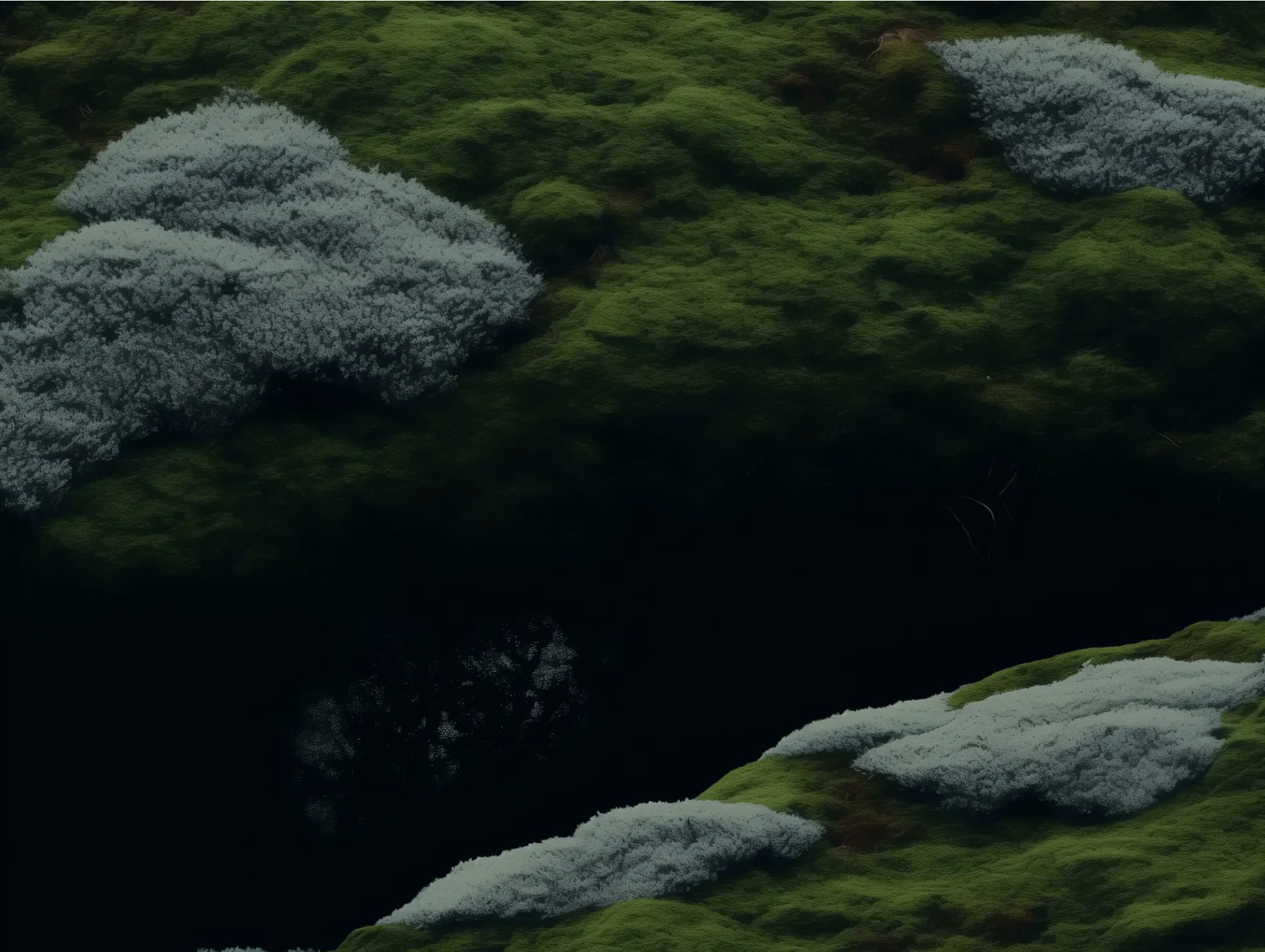
Before you close your eyes, take a moment to look at where you are traveling. Is it the mossy undergrowth of the Olympic Peninsula’s Bogachiel Rain Forest? Or the stark, dramatic drop of Helmcken Falls?
Knowing the name, the coordinates, and the physical reality of the place gives your mind a concrete anchor. You aren't listening to a digital abstraction; you are placing your attention at a real point on the map.
2. Isolate the Layers (Geophony vs. Biophony)
Once the soundscape begins, do not let it blur into a single drone. Use your attention like a camera lens, zooming in on different layers of the environment:
Track the Geophony: Listen for the non-biological elements. Can you hear the specific texture of the water—is it a wide, flat river rushing over smooth stones, or the high-impact mist of a vertical waterfall?
Isolate the Biophony: Shift your attention to the biological voices. Listen for the spacing between bird calls, or the rhythmic pulse of insects. Notice how the species have evolved to occupy different sonic niches, leaving room for one another to be heard.
3. Breathe with the Flow
Nature does not loop. Authentic ecosystems are dynamic, continuously breathing networks of relationships. As you listen, let your breath settle into the natural pace of the environment. If your mind begins to wander, do not fight the thoughts. Simply pick a single sound—a particular bird call, or the steady, rhythmic crash of water—and follow it back to the center.
"A person can be educated in three ways: the ear, the eye, and the hand." — R. Murray Schafer
By training your ear to listen to the specific, unfiltered reality of these pristine places, you aren’t just calming your nervous system. You are rebuilding a relationship with the wild earth, one coordinates-backed soundscape at a time.